I’d like to start this review with a claim that is sure to either infuriate or intrigue the reader: Steven Wilson is the most important person to impact the progressive genre in the twenty-first century. Whether it’s through his work with Porcupine Tree, Blackfield, and Storm Corrosion, his solo output, or his unrelenting dedication to remastering classic rock/ progressive rock albums, there’s no denying that the man has found a way to make himself synonymous with the genre. Hell, even when he attempted to shed his progressive label around the release of To the Bone and The Future Bites, the act of rejecting genre labels is, in itself, philosophically progressive. There’s room for a discussion about whether or not he is the “greatest” to ever do it, or even the best to do it in the twenty-first century, but there is no denying the man’s impact on the genre, both modern and historic. Whenever he drops an album, the conversation always gravitates towards “where is he going to go with this one?” That’s exciting. That’s progressive.
This progressive philosophy, and perhaps his desire to reject SOMETHING with his music, has led him to some pretty important empasses, an ebb and flow of how he defines “progressive” and his subsequent desire (or lack thereof) to engage with it. The Raven that Refused to Sing was a rejection of modern rock. The Future Bites was a rejection of his progressive label. This back and forth of sonic progression and exploration is one of the grounding elements of this album. In a world where labels are releasing AI slop to mimic the qualities of their best artists, and studios are places where various production trickery can make music tonally and performatively “perfect” but emotionally soulless, where do artists who actually give a shit fit in, and how do they compete with the sonic onslaught that is streaming culture?
Wilson’s answer to this conundrum is the foundation of this album. There are countless interviews out right now where he discusses how he constructed his “imperfect” art, but the reviewer’s task isn’t to recount it, but rather to evaluate it. Which leads to the overarching questions of this album: In what direction does Wilson progress his sound, and does it work (according to this humble reviewer’s opinion).
To answer the first, Requiem… isn’t so much a “progression” as an exploration. It continues his pivot into long form progressive rock, ala Yes or King Crimson. It indulges many of his modern tropes, including spoken word passages and Floydian atmosphere. In many ways, this album shares a lot of the same DNA as The Overview. While Wilson dropped a handful of singles during the build up of Requiem, I don’t really feel like many, if any, of these songs can stand on their own. This album’s strength, like The Overview’s, comes from its long form song composition, its atmosphere, and its payoff. “The Wheel” only feels urgent after the lush calm of “Great Green Maps.” The haunting chant from “The Old God is Buried” only carries weight if you caught it during “On Chapel Slope.” The recurring nature of these motifs is a literal manifestation of one of the major themes of this album: that small towns, the afterlife, dark habits, etc. are not things that you can ever easily escape (and certainly not without leaving a part of yourself behind).
This strength does present itself as a weakness on first listen. In this reviewer’s opinion, Wilson’s biggest struggles on The Future Bites and Harmony Codex, was his inability to build towards something. His poppier songs started and stopped without his signature ability to build truly beautiful climaxes, and Harmony Codex seemed to struggle with this burden even when he pushed the length of his songs. This album, much like The Overview, is a direct response to this. By giving himself time to develop a theme (the duration of an album to be specific), he creates wonderful moments that pay off, even if they don’t reach the highs of some of his best albums. So if you’re looking for an album like The Raven That Refused To Sing or To The Bone where you can enter or exit as you please, you’re going to inevitably be disappointed by this project. During my first listen, there were a few times where earlier tracks presented a motif but didn’t really go anywhere with it. It wasn’t until later in the album and subsequent listens that the intention behind these pieces became clear.
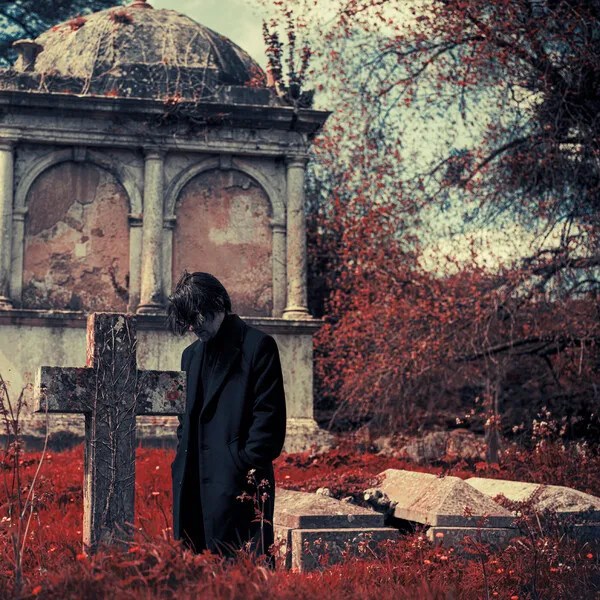
To answer the second question posed earlier, the result pays off handsomely. If The Overview required patience and dedication (something that it eventually enraptured me with), Requiem feels more immediate, possessing a heaviness and presence akin to wearing a rain saturated coat or sitting in a graveyard with the feeling that something is there with you. It’s at times punky and commanding (“Requiem for a Village”/ “Now Departing”/ “Basket of Bees”) and other times unsettling and eerie (“The Same River Twice”), but there is a driving force throughout the album that hasn’t been present on a Wilson album since, arguably, The Raven That Refused to Sing. That isn’t meant to impose any sort of commentary on the phenomenal gut punch that is Hand. Cannot. Erase. or anything after, but rather to serve as a point about how this album feels. Where as other Steven Wilson albums breathe, this one is oppressively present. It doesn’t really let your mind wander or meditate because it is always pushing forward, guiding you like a low angle Sam Raimi camera from one haunted image to the next. Even the airiest moments on this album are saturated with looming dread (“Murmurations”), an experience helps to create memorable little moments for the listener to seek on subsequent listens. I found myself singing little passages even after only the second listen, and seeking out moments to work as a soundtrack for the growing autumn darkness. Even though the album doesn’t possess the immediate emotional weight of Hand or To the Bone, there’s a gravity that naturally comes from the concept. Every small town is haunted by the memory of those who came before, and those who still linger in the community either by choice or the natural forces that keep us from leaving the places we are stuck. At my age, I’m just as haunted by this notion as being forgotten in an apartment for decades, or by the futility of life on Earth.
I believe I said it in previous reviews and comment threads, but at this point Steven Wilson is not seeking to win over those who don’t enjoy his works. Three decades into his career, Wilson has very much established what type of music he makes, even if he deviates into genre exploration. But for those who are fans of his work, or at least peripherally fans of his work, this album will feel like a stand out for his solo career. But by leaning into songs structures that build as their run times (and album length) increase, establishing hooky recurring motifs, and making space for some great solo performances, Wilson has crafted an album that is one of his most grounded and engaging from the 2020’s. It is proof that he still has a fire to create compelling, interesting art, even three decades in. If this is any indication of where this next phase of his career is headed, I feel like my claim about his place in progressive rock is easily founded. Requiem for a Village is great. It’s so great, you might never want to leave.

