Categories
Music Reviews

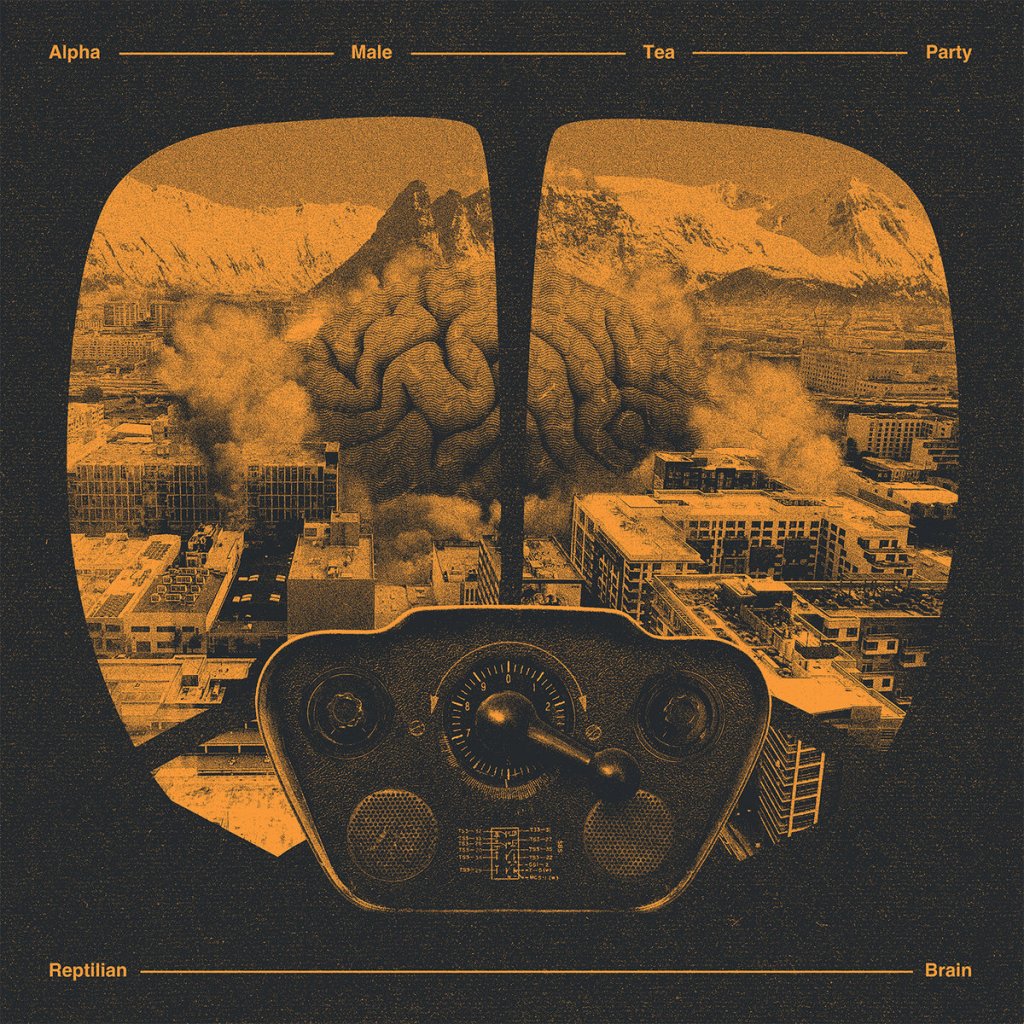
“Reptilian Brain” Alpha Male Tea Party

If you want to stir some serious shit online, enter a progressive rock forum and mention the vocalist. For those uninitiated in these types of conversations, vocalists regularly serve as a serious trigger point, and the discourse surrounding them often oscillates between complete adoration to pure loathing, to the point where one’s perception of a band is seemingly ruined because of one member’s performance. The amount of weight that your Spencer Sotelos, James Labries, and Claudio Sanchez’s bear is truly monumental, and it lends itself well to a conversation about the purpose of vocalists, especially in your progressive genres that tend to be more complex and layered. Many bands have approached this conversation (or at least, their fan’s disdain for vocals) by either releasing instrumental versions of albums or even abandoning their vocals altogether (ala Night Verses), but very rarely do we see bands take on the task of incorporating vocals into previously instrumental music. 

There’s a good reason for it. When your music is already a slew of heavy, dizzyingly complex riffs, the addition of vocals could lead to a muddying of the waters of sorts. I certainly can’t perceive a band like Animals as Leaders or Plini adding a vocalist, as there would be nothing extra to add. If you’re going to add vocals, there has to be a purpose. 

I imagine this conversation arose among the fans of Alpha Male Tea Party, a Liverpool rock group whose music dances somewhere between the manic energy of Tera Melos and the heavy riffage of The Physics House Band, as singles from the newest project started to drop. While, up until their most recent release, this group has been purely instrumental, their songs have always demonstrated an understanding of tension and atmosphere as well as a mature comprehension of how to write a hook without words. This attention to songwriting as a craft has landed them squarely in the middle of this conversation, as the band has decided on Reptilian Brain to hand guitarist Tom Peters and bassist Ben Griffiths vocal duties. It was a bit of a gamble. To add vocals might add an extra layer of emotional depth and warmth. It might help the band express messages that, in this tumultuous era of miscommunication (or lack thereof entirely), often get lost in instrumental music. It might also result in an album that feels jam packed with too many ideas. 

To cut to it, this decision pays off in spades. 

Reptilian Brain is a masterclass in the blending of chaos and order, intricacy and atmosphere. Each song is an amalgamation of rock genres and sounds with its own arc, unique climax, and energy. Songs like “Hostess Imperial” and “Battle Crab” bounce and stumble through math rock riffs while closers “Sniper’s Dream” and “All Become One When the Sun Comes to Earth” ascend with triumphant post rock riffs and space rock atmosphere. And while these songs would stand on their own, the strength of this album lies in the combination of these massive instrumental moments with vocal hooks that are just as infectious and weighty. 

To understand the strength of their decision to add vocals, look no further than album centerpiece: “A Terrible Day to Have Eyes.” On its own, the instrumentals of this song serve as the backbone of a chugging, punchy, midtempo banger. With the inclusion of vocals, however, this material is elevated into a heartbreaking story of a violent, childhood experience, and subsequently a song about trauma and grief. It’s a slow burn that builds to one of the most gratifying sing-a-long portions of any song from this year, but it’s also a strong example of what makes this album so fantastic. The vocals are simply another layer that adds chaos and heart to an album that would otherwise be a strong, if unassuming, rock album. Beyond the stellar, mature musicianship (the topsy turvy riffs, the groovy basslines, the hyperactive drumming), this is an album that sees a band reaching their full potential because of the addition of lyrics. Each song serves as a breakdown of our modern social and political hellscape, one that attempts to reduce us to our reptilian brain. This album is a statement fighting against that. 

If you haven’t checked AMTP’s previous work, none of this matters. What does matter, however, is that this is one of the best rock albums of the year. It’s a collection of smartly crafted, fun, unique rock songs that dances between progressive, math, grunge, and space rock, and an album that solidifies AMTP as one of the most criminally underrated acts of the past decade. 

My Rating: 4/5
Categories
Music Reviews

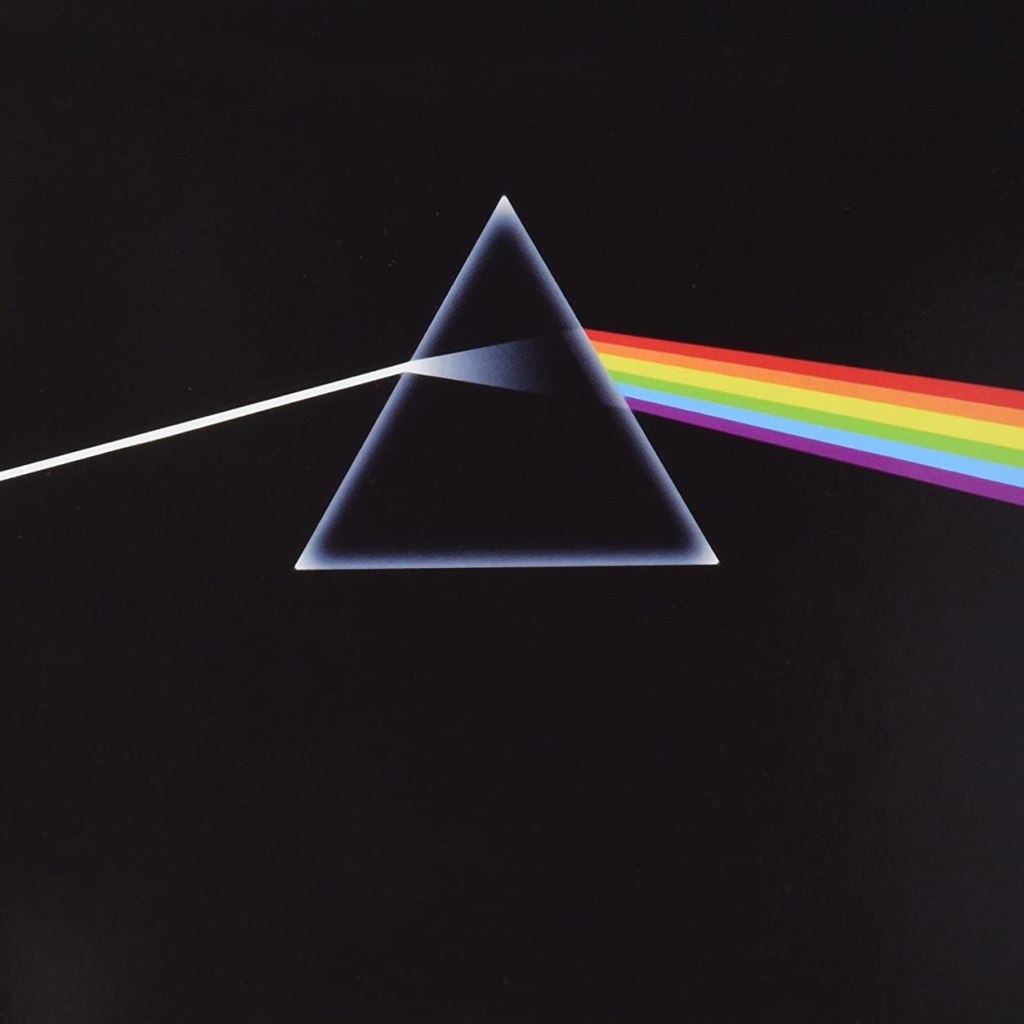
“The Dark Side of the Moon” Pink Floyd

I’m sure that this isn’t the case for everyone, as neither listening to albums nor even music is important to every person as they grow up, but for me there was a definitive moment in my listening career that changed what I enjoyed and how I even enjoyed music. It occurred in high school. For years my parents had exposed me to a variety of music, from 60’s and 70’s rock to 80’s pop and 90’s alternative, but it was during my freshman year of high school that I decided to dig into an album that my father had exposed me to, but also one that I hadn’t spent a whole lot of time with. I sat down in my room in Colorado, a new state, a new high school, and put Dark Side of the Moon on my portable CD player. 

Yes… I still rocked a CD player. 

It was a pivotal experience for me because, as frustrated as I was at the time, I found that whenever I attempted to return to one or two songs, seeking the frantic electronic runs of “On the Run” or the cathartic climax of “Eclipse”, that I was never satisfied with the experience of just the one song, and that it only really worked within the larger context of the album. And this was the first time that I really felt connected to an album as an ALBUM, as an experience that was singular, that could only really be captured not if you picked out single songs but if you sat down with it and gave it time to develop. To become enveloped in it. And while there would be plenty of albums to come that would scratch this itch, one always looks back fondly at their first. 

Produced by Alan Parsons, mastermind of The Alan Parsons Project and responsible for the production on the previous album of this list, The Dark Side of the Moon is a meditation on sanity, and the many facets of society that can make one feel insane. Largely inspired by the mental deterioration of bandmate Syd Barrett and the straightforward, paranoid lyrics of Roger Waters, the album immerses the listener in an experience that brings them to life, helps them experience death, and finally come out the otherside somehow changed, elated, a little bit more in sync with their own spirit (and you can experience all of that sober… or elevated). Unlike the atmospheric rambling of their previous album, Meddle, this album feels more refined without losing any of its psychedelic nature. On Dark Side, you’re floating calmly through the cosmos, not swirling through a tornado of colors.  

Approaching this album again, after years of loving it but not necessarily listening to it, and having a multitude of other albums that are, considered by many, to be the greatest albums of all time, I can confidently say that this album is not overrated. The band is incredibly tight, aided by Parsons to showcase the right instrument in the right moment (something that was also aided by a year of touring it before actually recording it). Waters’ lyrics are pointed but not obvious, biting but not condemning, comforting but not coddling. As a package, this album is a piece of art, a moment in culture and music that forever shaped and will continue to shape the minds of young musicians, dreamers, and artists. And one day, when my children feel like they’re ready to take their music exploration to another level, I’ll nudge them towards this album, in hopes that it takes them to the dark side of the moon and back, the way it has for me and so many other million people. 

My Rating: 5/5

Categories
Music Reviews

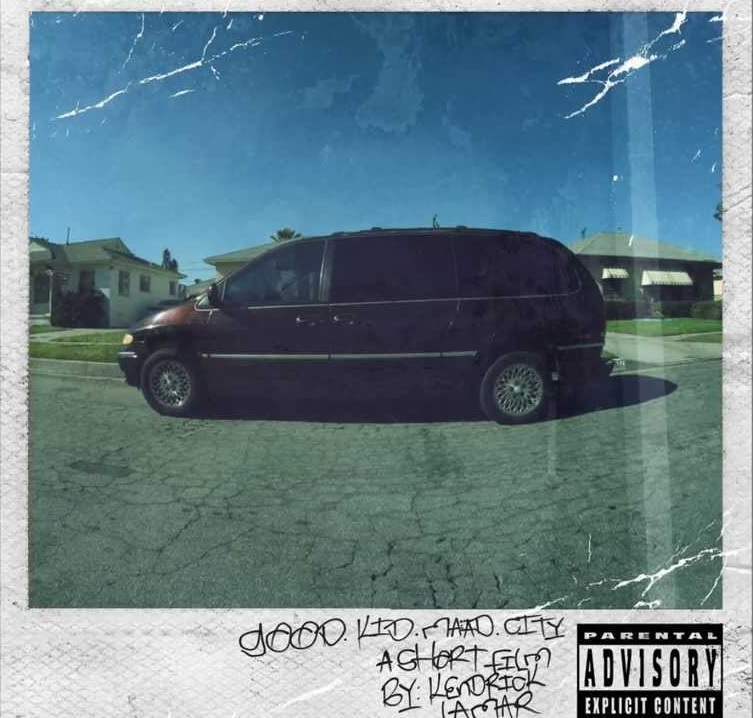
“good kid m.A.A.d. city” Kendrick Lamar

I think this album might be a harder listen for some of my older followers. After all, it’s not just a newer piece of art, but it’s hip-hop! How could an album that came out in 2012 possibly be ranked (consistently, I might add) among the outputs of some of the greatest artists of all time? Given that it celebrated its tenth birthday this year, what could it possibly have done to a) impact music in general, b) leave a fingerprint on hip-hop as a genre and c) justify a position at #12 on a music site where it has been rated over forty-eight thousand times. 

The answer is quite simple. This album is timeless. Everything about it is masterfully executed. Every single beat is distinct and yet familiar, rivaling some of the greatest G-Funk and hip-hop beats ever created. Kendrick Lamar is in top form on this album (although he rarely missteps in general), demonstrating why he is the single greatest MC in the game as he takes the listener on a tour of Compton, the city he grew up in. The whole album feels like a conversation as Kendrick weaves verse after verse into a string of memorable stories. Some are pulse pounding (Lamar recounting the horrors of simply existing in “Maad City”), some are haunting (Kendrick trying to justify his life choices in “The Art of Peer Pressure”), and some are heartbreaking (the death of his friend and an honest reflection of himself and who he needs to be vs. the impact of his art on his community “Sing for Me/ Dying of Thirst”) but all are completely captivating. Heralded as one of the greatest concept albums of all time, Good Kid m.a.a.d. City is a harrowing tale of a day in the life of Kendrick’s past, a smart kid wrestling with a city he loves, and a city he also recognizes will kill him if it has the chance. The album is ultimately a tale of redemption and actually listens like you’re watching a movie, growing darker and darker before the triumphant set of closing tracks (“Sing for Me/ Dying of Thirst, “Real”, and “Compton”). Despite portraying the real horrors and trials of life in Compton, it’s clear that this album is a love letter as well. It’s not so much a collection of songs about escape, it’s about accepting the realities of his life before, and a hope for the youth of the future.

I think my rating is clear, but even before I listened to this album for this review session, this was one of my top ten albums of all time. Every single song is memorable and could easily be a contender for best hip-hop song of all time. Kendricks bars range from honest to philosophical, but every single line contributes to the overall message and meaning of the album. Even the skits between songs are important as they contribute to the image of a city torn between spirit and the struggles that many members of the community face. If I had to recommend one album to someone who has never listen to hip-hop it would be this one. If I could only listen to one hip-hop album ever again, it would be this one. 

My Rating: 5/5    

Categories
Music Reviews

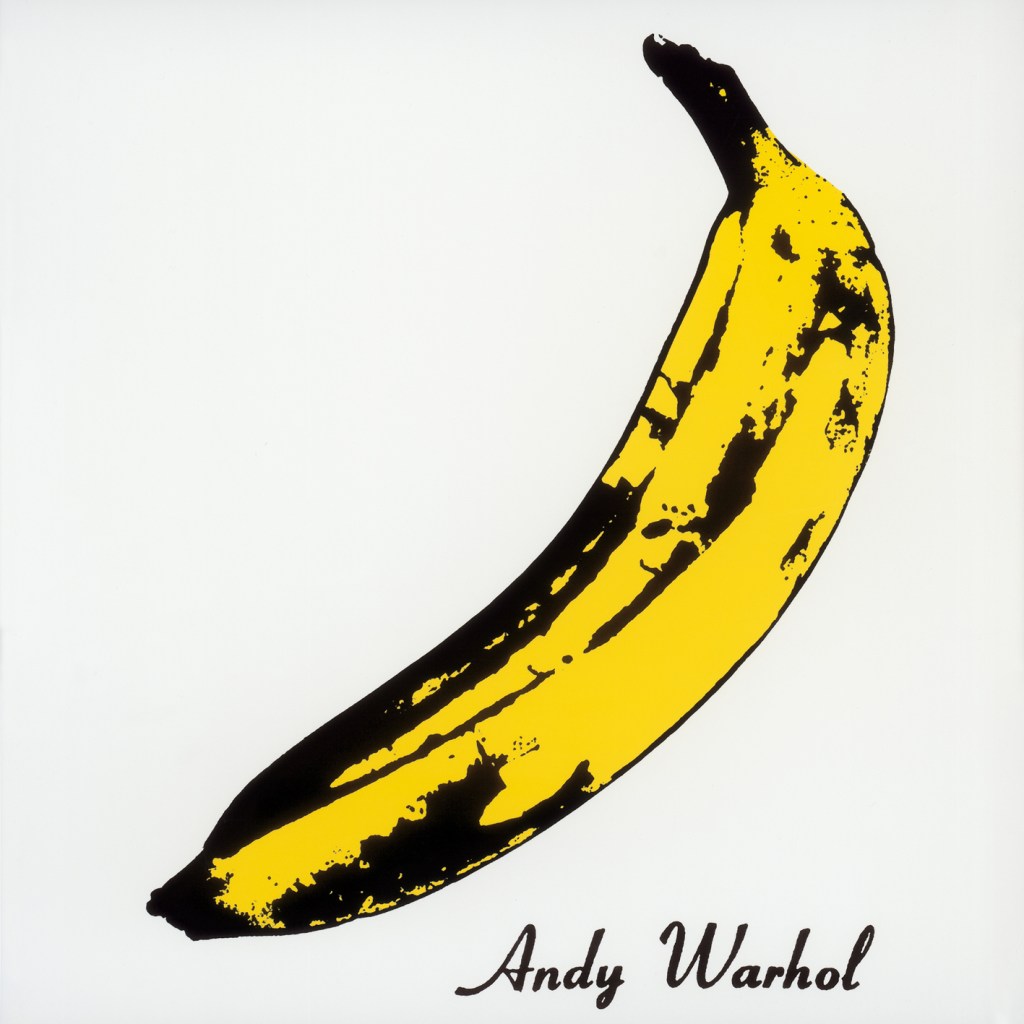
“The Velvet Underground and Nico” The Velvet Underground

I think it’s important to start this review off by saying “I get it.” I get what this album is trying to do. I get that it serves as a precursor to a lot of genres and sonic adventures that would follow, and that it serves as one of rock ‘n roll’s most influential albums. I get that Lou Reed crafted “poetry” that talked about controversial topics, and that was like… groovy.That being said, it’s one thing to “get” an album, and another thing to want to return to it, to want to dig into the album more for the sake of coming to a deeper appreciation or for recurring enjoyment. After listening to this album (I did struggle through it not only once but twice) I can confidently say that this is the first album on this list that I really didn’t enjoy, found to be grating, and do not wish to engage with repeated listens to get to that deeper level of appreciation (because I do genuinely believe that there is very little to be considered redemptive about this album). 

From an album that is as widely heralded as one of the single greatest pieces of art of all time, I was surprised at how juvenile it sounds. Lou Reed’s lyrics read like the attempts at poetry of a freshman in college. The instrumentation is bland most times and, at its worst, actually unbearable. Guitar solos/ rhythmic work are some of the most embarrassing attempts at musicianship I’ve ever heard pressed to wax. The only redemptive quality could be Nico’s singing, but moments like that are few and unable to carry the lack of talent/ poor quality of artistry possessed by the rest of the band. I suppose the attempts at dissonance are successful in the sense that they make the listener want to turn the song off (and this is coming from someone who has listened to and appreciated plenty of noise rock, thank you very much). This album is the epitome of the phrase “you just don’t get it”, a phrase used to dismiss anyone’s attempt to say that it, to put it bluntly, sucks. I wanted to like this album, I really did, but no amount of historical context or forced intellectualism can save this album from itself. I would not willingly return to this album. I would not recommend this album to anyone. I know this album exists and I’ve wasted enough time trying to articulate how irrationally angry this album makes me. This one’s a rotten banana. 

My rating: 1.5/5. 

Categories
Music Reviews

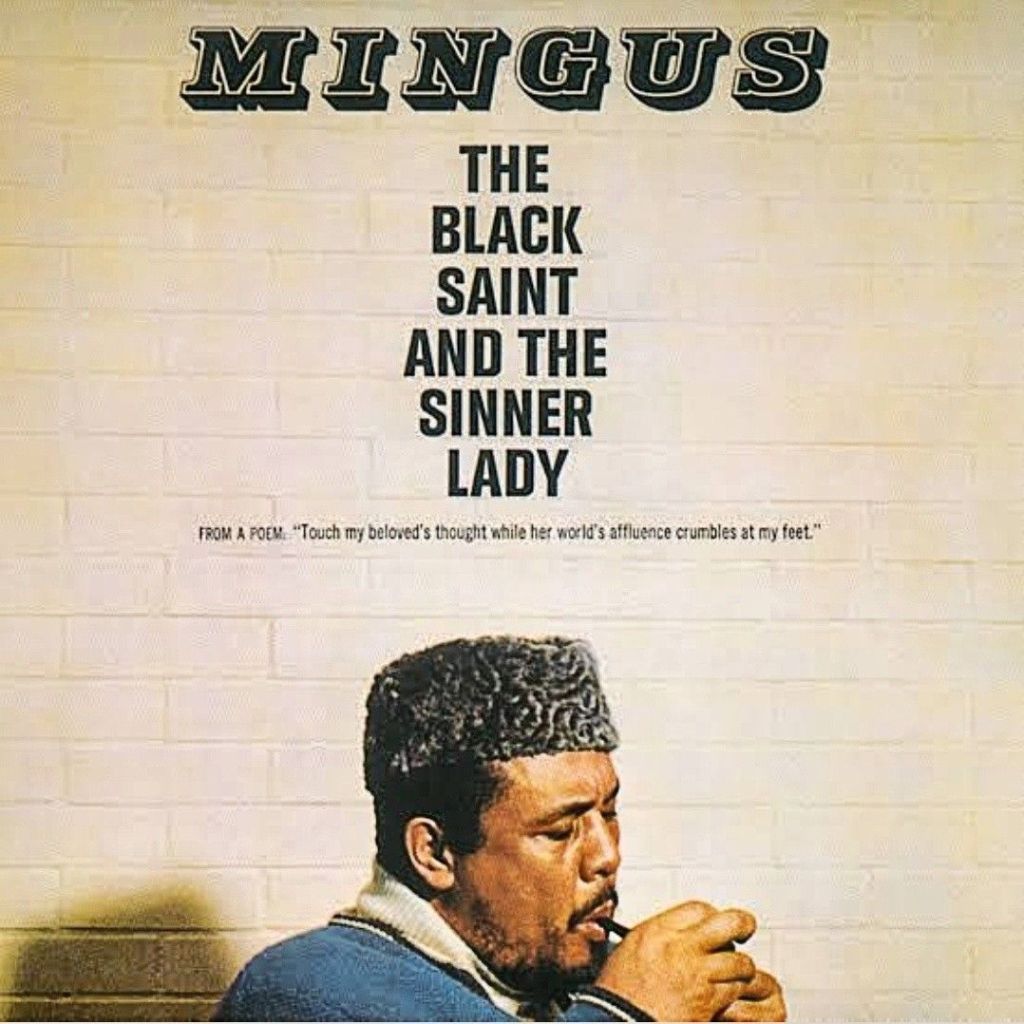
“The Black Saint and the Sinner Lady” Mingus

  1. “The Black Saint and the Sinner Lady” Charles Mingus

Sitting at #14 on our list is the last jazz album (although there are a handful that are heavily influenced by jazz), and I can confidently say that, in addition to this being the “best” jazz album of all time (according to RYM) this is also my favorite on this list. By a long shot. To say that I’m thoroughly impressed and engrossed by this album would be an understatement. This album is an experience, drawing on everything from Duke Ellington-esq big band moments to flamenco; weaving complex compositions together to tell a story of seduction, lust, anger, sadness, and even hope. It’s rich and textured, a lush soundscape that, much like a good dance, ebbs and flows, giving each instrument a chance to shine, sometimes even in the background. Mingus plays with dissonance and harmony, and this push and pull results in a composition that rides on the edge of chaos, never falling apart but always threatening to, like two dancers holding onto each other by their fingertips. Each listen rewards with little moments and flourishes that rise to the surface, and the result is a record that I don’t think I could tire of even if I tried. 

What sets it apart from the other jazz albums on this list is, in my opinion, not only the grandiose nature of the compositions (each song feels massive), but the storytelling nature of them. Each song is a story, and you don’t need to be some jazzhead to appreciate what’s going on or being said at any given moment. Sure, there’s probably plenty of stuff behind the scenes that someone with a greater knowledge of the genre could dissect for me, but the fact that I don’t need to research modes or new styles of composition is refreshing. That’s not to say that I needed to do those things with either the Miles Davis or John Coltrane albums earlier on this list, but when they came across as easy enough to understand my next question was “so what?” What makes this album great? With The Black Saint… it’s easy to see why this is considered great because it is over the top. The way it plays with dynamics and tempo is engrossing. It feels like you’re watching the ballet it was written for. It’s cinematic and emotive. And all of this is to say that, if I had to put Mingus’ greatest offering up with that of his contemporaries and choose, I would choose Mingus. This album makes me want to dig into more of his catalog to see what I’ve been missing (I already have Me, Myself, and I and Ah Um but… maybe I’ll go listen to those again now). In many ways, I guess that’s what a great album should do. It should make you wonder what you’ve been missing with their other releases. If the rest of his stuff is as good as this, I suppose the answer is: “A whole helluva lot”. 

My Rating: 4.5/5

Categories
Music Reviews

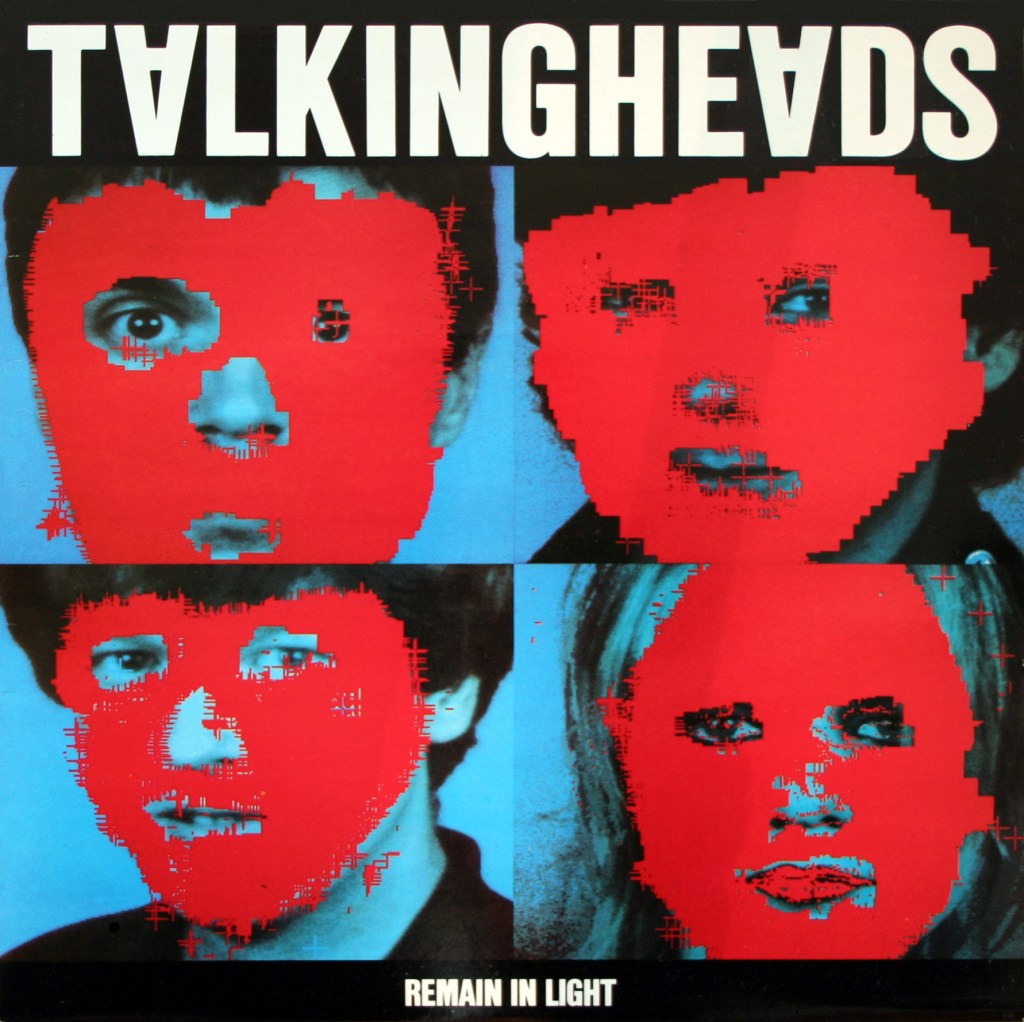
“Remain in Light” Talking Heads

I wasn’t really sure what to expect with this album. Sure, I’d heard their live album Stop Making Sense a handful of times while growing up, so I knew from tracks like “Psycho Killer” that they could be weird. But I wasn’t ready for this album to groove so hard. The first three tracks alone are chaotic, claustrophobic dance tracks that groove over a clattering of multi-layered drum cadences, and they are only undermined by the fact that they’re preceding one of the greatest rock tracks in the history of the genre (or at least, one of my favorite rock tracks of all time) “Once in a Lifetime”. From there the album takes a darker turn, immersing the listener in a moodier, more introspective atmosphere while still maintaining enough of a bass backbone to get the listeners head bobbing, or at least nodding. If the beginning of the album is a dance party, the end is the conclusion where, after reaching ecstasy through movement and expression, the party-goers are sent shuffling out into the dark and the cold to maybe see the world with clearer, more sober eyes, and I’m here for it. “The Overload”, at first glance, doesn’t sound on paper like the right closer for an album that starts off so high energy, but in context it’s perfect. Seductive and haunting, it’s easy to see how this track might go on to influence bands like Duran Duran, or even one of my favorite bands, The Deftones.  

In general, there’s not too much to dislike about this album. The Talking Heads, inspired by African drum circles, funk, hip-hop, and the immaculate production of Brian Eno, hit a lot of the right notes with this one. It’s funky enough to make you want to dance, but heady enough to draw you back in for deeper analysis with its intricate lyrics and multilayered instrumentation. And while I haven’t been able to dig into the nature of the lyrics, I’m intrigued to the point (much to my wife’s dismay… David Byrne’s voice isn’t for everyone) where I’ll be returning to it multiple times over the years and can easily see myself recommending it to family and friends who haven’t yet dug into the strange, funky, trance-y world of Remain in Light.

My Rating: 4/5 

Categories
Music Reviews

“Revolver” The Beatles

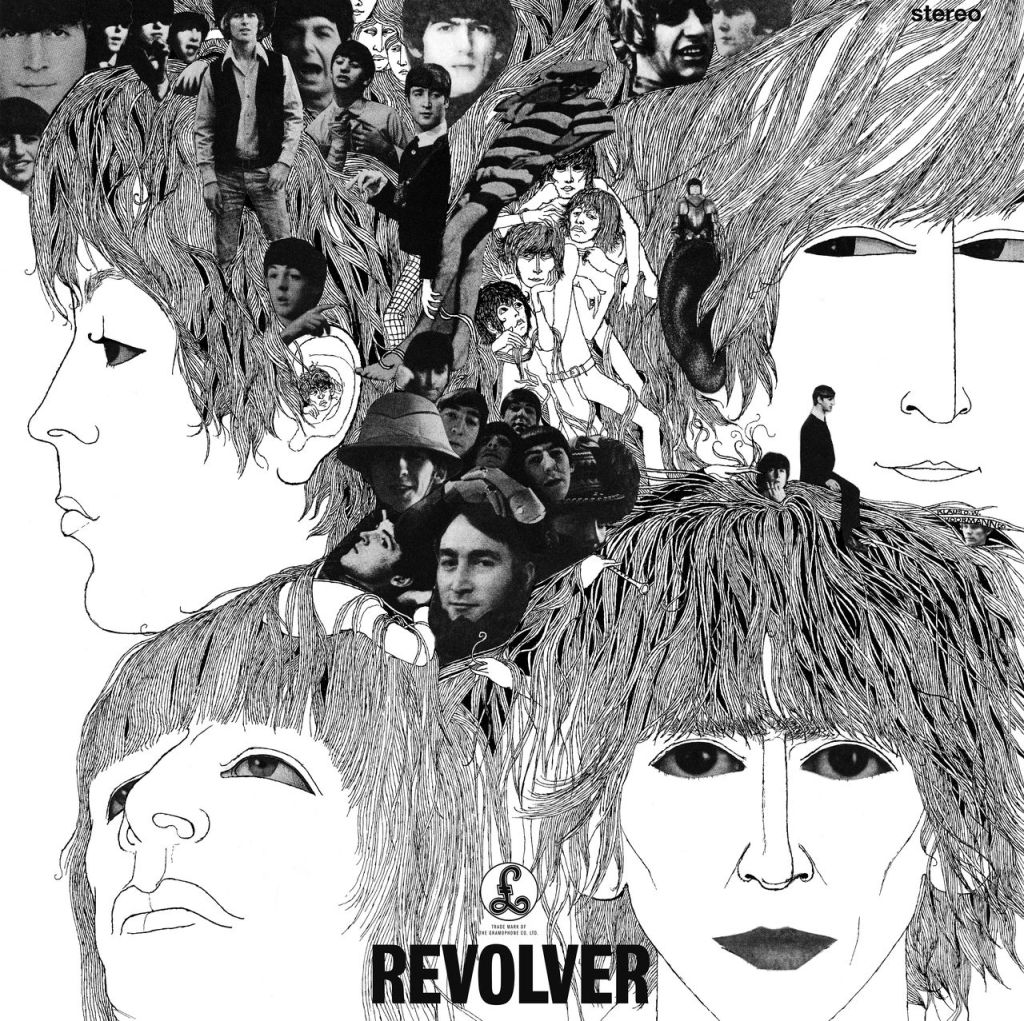
They were bound to be on this list, the only questions being what rank and what album. And while I have spent the past ten years attempting to broaden my musical horizons, pushing out into every direction and genre, it’s time for a confession. I have never sat down and listened to a Beatles album in full until this week. 

Let the “boos” commence. 

Reflecting on it, I think a reason for that was that I thought I’d heard it all. Given that the band had produced so many hits, what else was there really to hear? How could this be “essential” listening when I’d already heard what curators had dubbed “essential”? So you can imagine my excitement and curiosity when I saw that there were not one, but two Beatles albums on this list. This was my chance to dig into a discography that has, up until this point, been boiled down to the smattering of hits that have been spoonfed to me since I’ve been old enough to comprehend what music is. The most prominent questions on my mind were: does this album live up to the hype? Or is it carried by a hefty dose of nostalgia, stellar singles, and the fact that it marks a tonal shift in the Beatles music?

My answer is a lot of both. To the ear of someone who has never listened to a Beatles album, this album sounds like a quintessential mix of what I’ve come to understand as their sound: straight pop rock hits (“Good Day Sunshine” and “Gotta Get You Into My Life”) and their experimentation with psychedelic music (“I’m Only Sleeping” and “Tomorrow Never Knows”). It’s fun to witness a band on the cusp of being something different, although this is a criticism that I also have for the overall product. And while the singles (“Eleanor Rigby”, “Tax Man”, and “Yellow Submarine” to name a few) are absolutely incredible, I was pleased to hear that a lot of the other tracks are just as enjoyable, if not even better! Writing this, I’ve found myself returning to songs like the simplistic, melancholy love ballad “For No One” and the dizzying “She Said She Said” (which was supposedly based on a conversation Harrison and Lennon had with Peter Fonda on LSD and… I would 100% believe it). This album is a snapshot in time, capturing perfectly the cultural tug-of-war of the 1960’s, and the songs themselves are all memorable and instantly catchy, while all feeling like they have their own unique qualities. 

This characteristic of the album is a strength, but also my only critique. At times Revolver sounds like a band reaching for the future but also weighed down by the past, a band that doesn’t have the courage to fully embrace the trajectory of their new sound. Given the prominent psychedelic textures of the album, songs like “Gotta Get You Into My Life” and “Dr. Robert” feel a little… off, as if they were recorded for another session and were shoe-horned into this one. This is a minor criticism for an otherwise stellar album and one that, if I can find records of it, will definitely be adding it to my collection. 

My rating: 4.5/ 5

Categories
Music Reviews

“A Love Supreme” John Coltrane

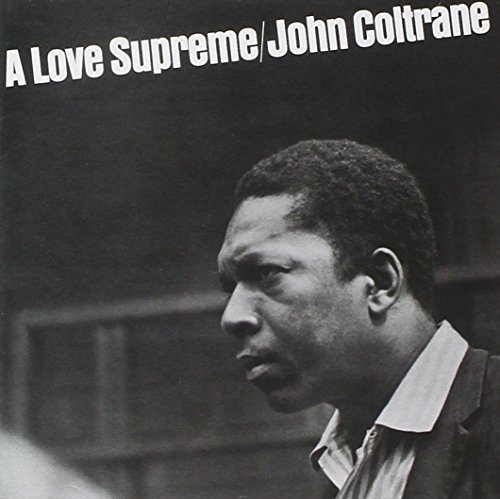
It’s been fun to listen to this and “Kind of Blue” back to back. Both do a fantastic job of immersing the listener in mood, albeit two very different ones. While Mile’s David opus was the perfect album for a dreary rainy day, Coltrane’s “A Love Supreme” is pumping with nighttime energy, capturing both the swaying shadowy figures in the corners of a nightclub and the glare of the spotlight on the warm metal of a saxophone. At times loud, at times chaotic, at times reflective, this album has a little bit of everything. It pulses with energy; a testament to a musician’s newfound sobriety and his faith and surrender to a higher power.  

Again, I find myself struggling to put a hard ranking on this album, despite a weekend of repeated listens. There’s so much I don’t grasp, and yet I already find myself pulling his “Love Supreme” poem melody from multiple parts, and instruments. And unlike the previous album, I find myself needing to sit down and focus on it, having put it on in the background multiple times only to switch to something else because I felt like I wasn’t being fair to it. This isn’t to say that it should be considered automatically superior to something that doesn’t require the listener to sit down with it intentionally, but I do feel like it rewards more because of it. Or maybe I’m just putting jazz on a pedestal. It is, after all, just music. 

My rating: 3.5/5

Categories
Music Reviews

“Kind of Blue” Miles Davis

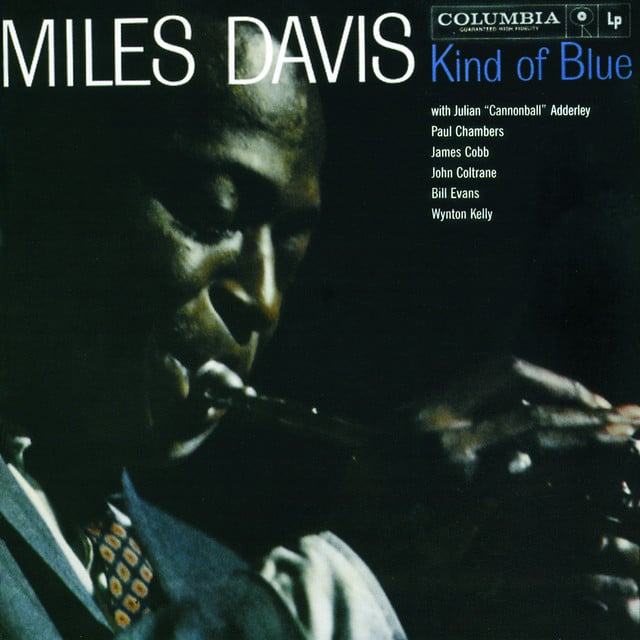
Of all the albums on this list, I think this is the one I’m most intimidated by. That isn’t because I dislike jazz, but rather because I’ve felt like when it comes to this genre it’s the one most other music aficionados are to claim that I “don’t get”. I wouldn’t disagree with them. Prior to writing this review I scoured the internet for guides to ensure that I was interpreting it correctly, understanding its influence and legacy before I went on to express any sort of half-baked opinion on it. I read song by song guides. I inspected other reviewers’ opinions. I read listicles. 

And you know what I discovered? This album is good because it’s good. It’s a well-composed album put together by a group of stellar musicians. It’s one of Miles Davis’ more subdued albums, even lambasted by the composer himself in later years. It’s great because it’s simple. It’s praised as one of the best jazz albums of all time because it doesn’t try to be anything other than a laid back, moodsetter of an album. Sure there’s some hip modal stuff going on, but just enjoy it ya know? There’s something to be said about not needing to demand that people notice how great you are at your craft, and just being great. You’re thinkin’ too hard, Cat. 

I include all of this exposition not to somehow justify my inexperience with the genre and its subtle nuances, but to almost reassure myself that what I’m hearing (or not hearing) is ok. To many of my trained musician friends I’m sure there are subtle details that could be pulled from each song, each moment even, to explain the genius of this album. But these reviews aren’t for the jazz literate, nor should they be a venue for me to wax on about something I quite frankly don’t know shit about. These are the simple reviews of a man who likes music and enjoys exploring the vast array of genres. 

The long short of it is that this album is good! It’s a solid jazz album that sets a mood, and doesn’t demand repeat listens but rather rewards the listener for them. I found, having listened to this album months ago, that upon rediscovering it this week I was able to hum along with the majority of the melodies. There are plenty of hooks to go around, and I’m sure that with continued listens I would find myself being able to pick out engaging moments from the vast solo sections. So if there’s anything to take away from this review, it’s this: this album is cool. Put it on when you’re making dinner, studying for your test, or just sitting with a scotch and watching the snow fall. And if you find yourself tapping your toe to it, then great! If all you catch is a passing melody, nice! This album doesn’t erupt from your speaker, firing on all cylinders, but maybe that’s the point. Because when you’re great at something, do you really need to prove it? No… sometimes you can just be it. 

My Rating: 3.5/ 5

Categories
Music Reviews

“Illmatic” Nas

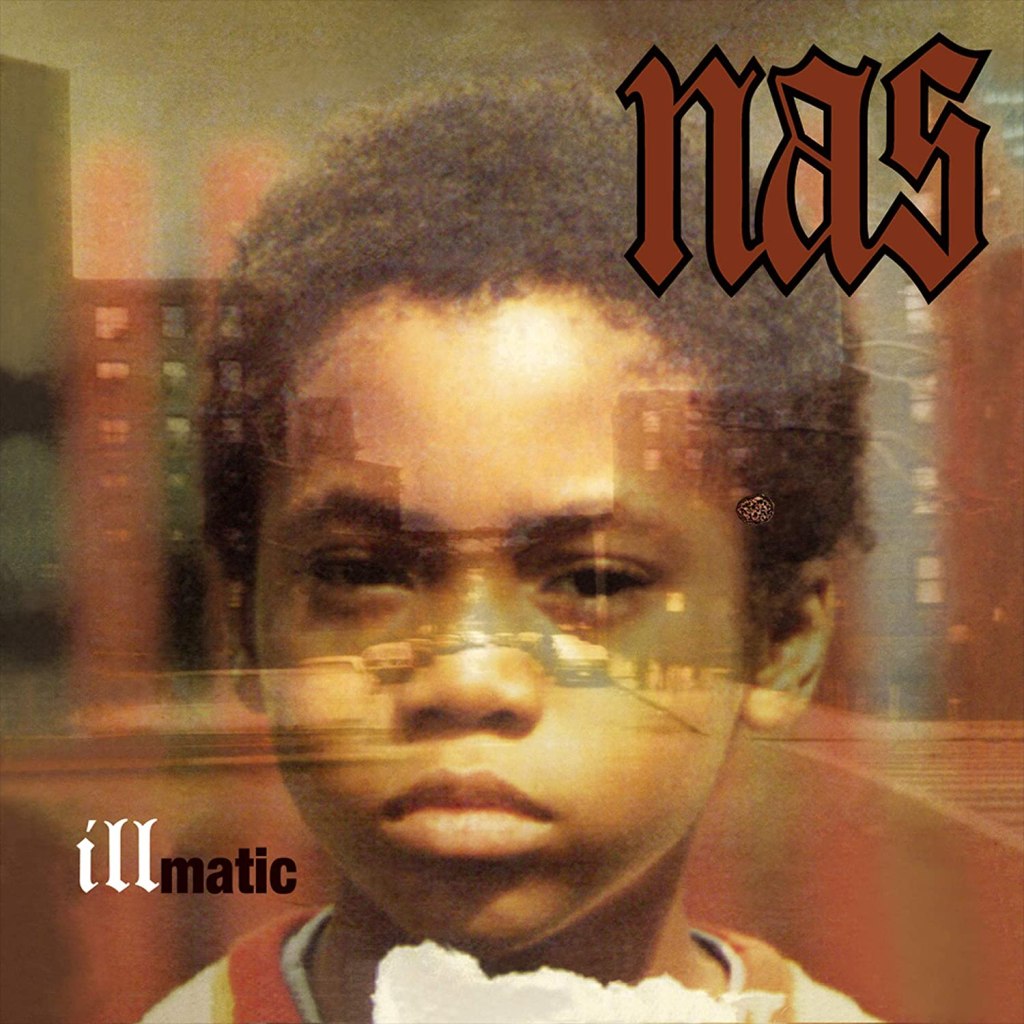
I consider myself fairly new to the genre of hip-hop. It wasn’t until my mid twenties that I began digging into it as an art form, interestingly enough after listening to an album on this list. That being said, I consider it a Cardinal sin that I’m just now digging into Nas’ Illmatic. There’s something timeless about it that can’t be ignored, something that still continues to influence rappers like JID, Kendrick Lamar, and Saba who all released albums THIS YEAR. This album isn’t just impressive by the standards of its time, but even released today would stand toe-to-toe with the best offerings of the year. Nas crushes each beat like he’s a veteran in the game, which is made all the more impressive by the fact that this is his debut album (on the opening track “N.Y. State of Mind” he begins a flow, confesses he doesn’t know how to start, recalibrates, and then drops an absolutely killer verse. Supposedly this isn’t a skit, but him actually being caught off guard by the beat, and it greatly illustrates just how skilled he is as an M.C.). He flows from one verse to the next, weaving a tapestry of stories that chronicle life in the inner city of New York. The jazz influenced beats, a trait undoubtedly inherited from the east coast scene and his musician father, also help add to the narrative, providing a sometimes laidback, sometimes haunting backdrop for his rhymes. 

In general I lean towards hip-hop that has something to say, instead of relying on trend following, clout chasing, and just having a banging beat. What Illmatic does brilliantly is immerse the listener in the world of Nas. Listening to this album feels like having a conversation with the artist while he walks you through Brooklyn. Nas really demonstrates that he can do it all, killing beats on songs like “Halftime” and “Represent” with a cocky bravado while by contrast sitting back in the pocket and providing reflective commentary in pieces like “Memory Lane (Sittin’ in da Park)” and “The World is Yours”. 

The more I listen to this album the more I can see it becoming a permanent staple in my music collection. Every song is a masterful composition of genuine storytelling, memorable hooks, and catchy beats. And given that I’ve only had a few days with this album and I’m already as impressed by it as I am, I feel confident saying that this album is, indeed, a certified classic. 

My Rating: 5/5