Categories
Uncategorized

“Kid A” Radiohead

It’s been quite an experience to inadvertently work through what many consider to be the best parts of Radiohead’s discography in this journey through the “Best Albums of All Time
“, particularlly because it’s been fascinating to hear just how strikingly different all their music is. “In Rainbows” is, to my best interpretation, a rock album. Songs have more of a structure (by Radiohead’s standards at least). It’s louder. It’s more colorful. There is a range of emotion. If that album is their attempt at mainstream art rock, then “Kid A” is the complete otherside of the coin. Its melodies are cold and haunting, echoing across sonic tundras and barren wastelands in an attempt to shed the pressures of rock stardom that burdened them with self-doubt, writer’s block, and depression. 

Of course, we know the trajectory with which Radiohead has ascended into the music Hall of Fame. From my recent adventure into their discography, it seems that it is precisely for the aforementioned reason that they are so critically acclaimed by fans and audiophiles. They are truly one of the few bands in the world who aren’t afraid of experimentation. Their response to being called rock stars is to create a cold, vacant album of electronically infused songs that don’t put any sort of emphasis on chorus. All of this might seem to suggest that the album is inaccessible, and after having listened to their 2007 album “In Rainbows”, I can certainly say that it is less accessible. Even after repeated listens I still find myself struggling to come to a conclusion as to how I feel about it. I certainly don’t hate it, and it’s a good album, but do I love it? Do I agree that it is a decade-defining album as so many other reviewers and music magazines and blogs have suggested? Is it worthy of the FIFTH Best Album of All Time spot?

   It’s hard to tell. The more Radiohead I listen to, the more I find myself completely immersed in some of their more dreary tracks. Songs like “How To Disappear Completely” and “Motion Picture Soundtrack” are immediately making their way onto my list of favorite songs of all time, and I really enjoy the bombastic evolution of early album stand-out “National Anthem”, but there are also tracks that I find myself feeling indifferent about (looking at you, “Morning Bell”). Do I have any doubt in my mind that this album will be one that I return to? Not at all.

The real question is… do I like it better than “In Rainbows”? I think so. While the energy of “In Rainbows” is definitely higher, jazzier, more colorful, I’m finding myself more and more drawn to the dreary gloom that permeates “Kid A”. Is it immediately jumping onto my favorite albums of all time list? Not today? 

Might it in the future? I suppose everything comes together in its right place. 

My Rating: 4/5
Categories
Uncategorized

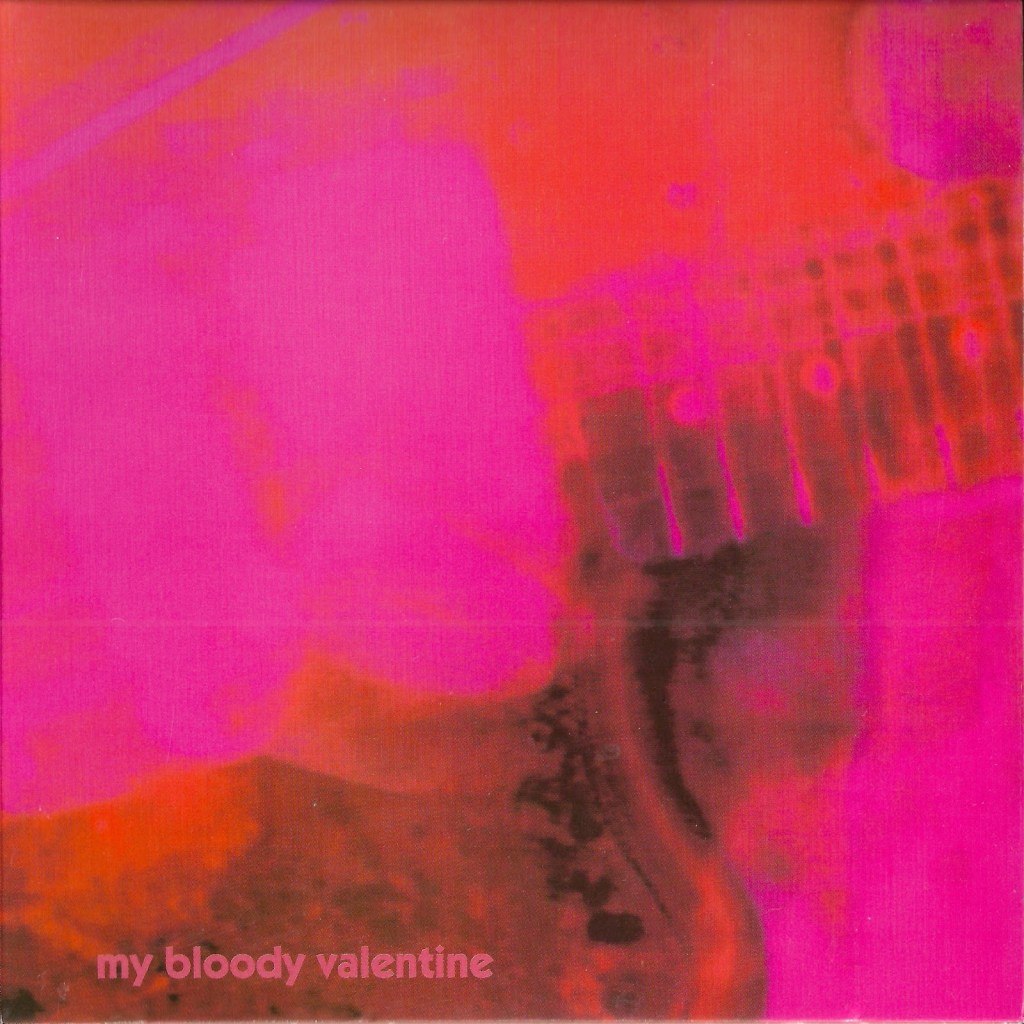
“Loveless” My Bloody Valentine

Being born in the early 90s, I wouldn’t say that I was truly able to appreciate the music of it until I was older. The music I was listening to at the time was whatever my parents put on, glimpses of the Smashing Pumpkins and Red Hot Chili Peppers on the radio, and the boy band CDs my parents bought for me. But I was vaguely aware of the culture, the feeling of a decade that rapidly approached the new millennium. A decade that was very much a rebellion against the hairspray and leather of the 80’s, experiencing a new psychedelic renaissance in music and film. And while the aforementioned bands were definitely figureheads of the 90s, this band absolutely sounds like the decade. 

It’s easy to see why this album was an absolute flop when it was released, but also to see how it has since risen to cult classic status. There are no hard singles on this album, and the one released, “Only Shallow”, isn’t exactly radio friendly. But man, listening to this album now it’s easy to see why so many musicians and audiophiles praise it for being influential. Guitarist Kevin Shield’s amplifier hums with overblown static and sway with dissonance as he liberally applies the whammy bar to each chord, and his riffs come across as more like washes of sound and color instead of actual notes. Lyrics aren’t so much as sung as mumbled, an extension of the music more than an actual message to the listener. 

This album is definitely a grower. When I first put it on I found myself nodding along, appreciating the concept and experimentation but not really finding myself engrossed in the song writing, but with each listen I find myself more and more drawn in. I can imagine using this album as the background to a warm sunny day out in the backyard or the soundtrack to a sunset paddleboard on the local lake. I don’t think I’ll force myself to return this album, nor do I feel an immediate demand to do so, but I know for a fact that at some point it will find me and continue to find me. It’ll catch me as I’m trying to find the perfect soundtrack for a lazy afternoon of camping, or a hike up into the mountains. I’ll put it on and, like an old friend, it’ll take me back to a time that I wasn’t able to appreciate, but a decade that I’m heavily nostalgic for. Like any good album it will transport me into a different place, and a different mood. All the best music does that, and this is no exception. 

My Rating: 3.5/5

Categories
Uncategorized

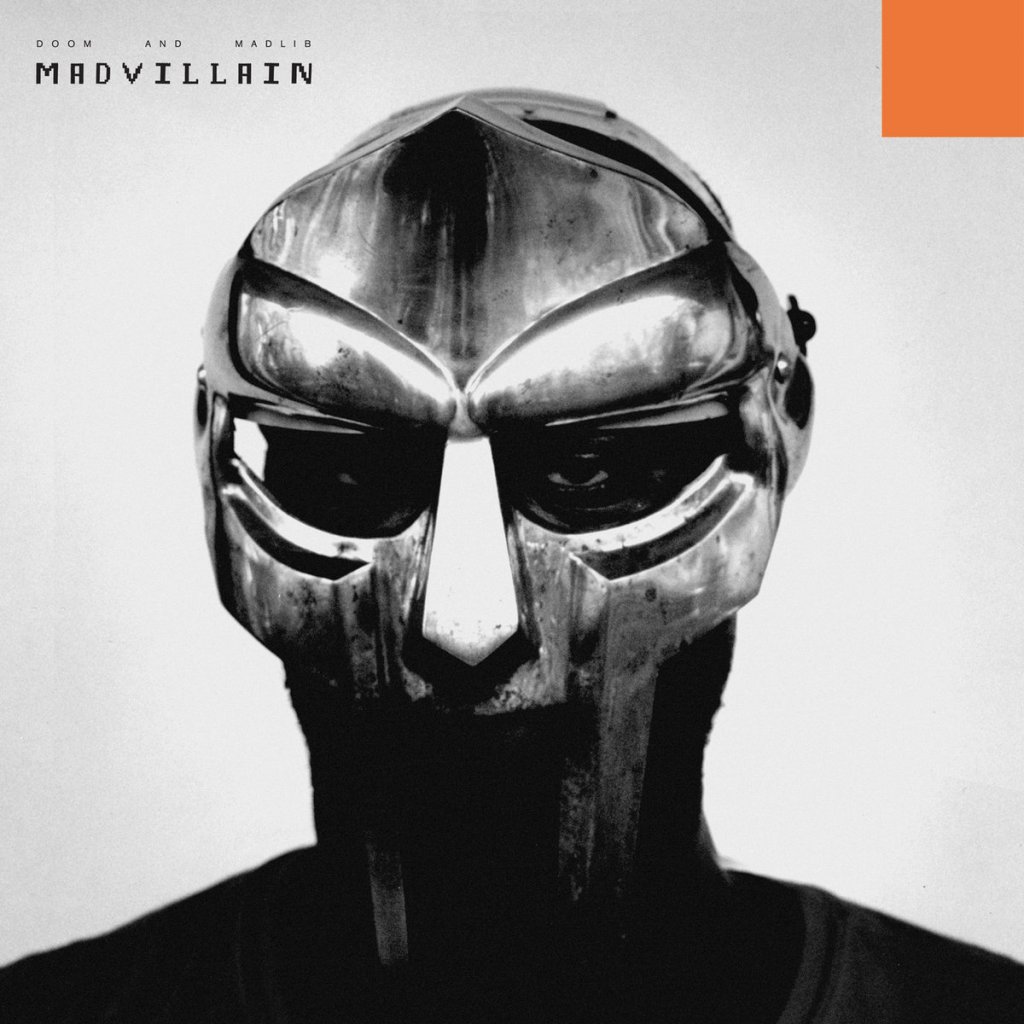
“Madvillainy” Madvillain

I think one of my biggest gripes with modern hip-hop (and specifically a lot of these young Soundcloud artists) is that it feels like a lot of them are just trying to be the hottest thing. There’s no style, no substance, just repeated lyrics that are almost more about matching a flow than saying anything worth hearing. That probably makes me sound like an old fart, and if you look at my 2022 AOTY list you’ll notice plenty of hip-hop albums on it, but what draws me to it as a genre isn’t just the artists creating bangers, but the ones with a distinct style, solid flows, and yes, strong beats. I say all this because, if you talk to anyone who’s been listening to hip-hop for a good chunk of time, chances are good that at some point MF Doom will enter the conversation. And there’s good reason for it. 

Lyrically, MF Doom was one of the greatest in the game, one of the kings of the double entendre, a poet whose lines will only hit you hours later. This, coupled with his buttery-smooth cadence, results in a style that is almost conversational, conjuring an image of a man sitting in an armchair with a snifter of scotch in one hand and a cigar (or joint) in the other, waxing poetic about whatever random musings went floating past. He very much portrays the image of a villain revealing his evil scheme two minutes too late to stop it, and the result is an album that feels like a victory lap, even if on its release Doom was still very much an underground artist. 

I would be remiss if I didn’t take some time to mention the other half of the pair that is “Madvillain”. If Doom is the super villain standing on the top of his latest, terrifying robot, Madlib is the mad scientist in the lab, constructing the blueprints to create devastating after devastating weapon. The credits on this thing are absolutely astounding, and each beat is truly a testament to Madlib’s music literacy. The album is full of old funk, R&B, and disco cuts, and at some point I’ll have to go back through the credits to listen to the original source material. There’s a little bit of something for every hip-hop listener. Songs like “Money Folder” and “All Caps” are your typical hip-hop bangers, whereas instant classic “Accordion” and “Strange Ways” are pretty strange and make you wonder just how someone could find the pulse and construct such tight flows over the beats. Turning back to a comment I made earlier, you don’t find artists like this much anymore. In a world where each beat can be manufactured in a computer, there seems to be some soul missing that artists like Madlib and MF Doom brought to this album. It’s because of these little touches and, quite bluntly, this musical intelligence that this album feels like a classic, even though it’s less than twenty years old. Every listen brings a new discovery. 

I think it’s because of this quality that I’m not fully in on the album. There’s a lot to love with it, but also a lot that I am still discovering. There are a lot of songs that I instantly love, and others that I find myself skipping over to find the stronger cuts. If you ask me in a year what my rating is, there’s a good chance that it might very well be higher. But right now, given what I’ve caught, what I’ve appreciated, and what I’m hungry to dig into more, I find myself giving it the rating that I do. Still, there’s no denying that this is one of the most innovative, unique, and villainous hip-hop records to ever grace the musical landscape. 

My Rating: 4.5/5

Categories
Music Reviews

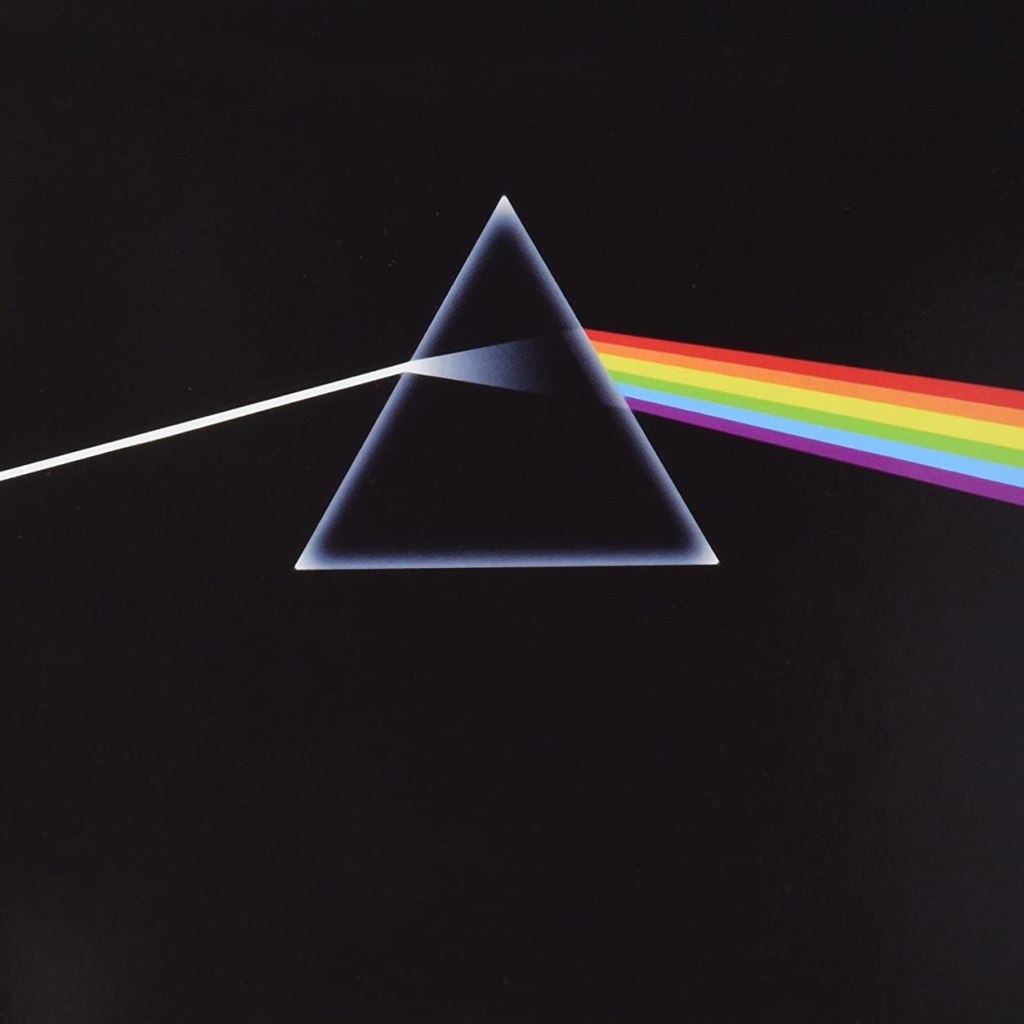
“The Dark Side of the Moon” Pink Floyd

I’m sure that this isn’t the case for everyone, as neither listening to albums nor even music is important to every person as they grow up, but for me there was a definitive moment in my listening career that changed what I enjoyed and how I even enjoyed music. It occurred in high school. For years my parents had exposed me to a variety of music, from 60’s and 70’s rock to 80’s pop and 90’s alternative, but it was during my freshman year of high school that I decided to dig into an album that my father had exposed me to, but also one that I hadn’t spent a whole lot of time with. I sat down in my room in Colorado, a new state, a new high school, and put Dark Side of the Moon on my portable CD player. 

Yes… I still rocked a CD player. 

It was a pivotal experience for me because, as frustrated as I was at the time, I found that whenever I attempted to return to one or two songs, seeking the frantic electronic runs of “On the Run” or the cathartic climax of “Eclipse”, that I was never satisfied with the experience of just the one song, and that it only really worked within the larger context of the album. And this was the first time that I really felt connected to an album as an ALBUM, as an experience that was singular, that could only really be captured not if you picked out single songs but if you sat down with it and gave it time to develop. To become enveloped in it. And while there would be plenty of albums to come that would scratch this itch, one always looks back fondly at their first. 

Produced by Alan Parsons, mastermind of The Alan Parsons Project and responsible for the production on the previous album of this list, The Dark Side of the Moon is a meditation on sanity, and the many facets of society that can make one feel insane. Largely inspired by the mental deterioration of bandmate Syd Barrett and the straightforward, paranoid lyrics of Roger Waters, the album immerses the listener in an experience that brings them to life, helps them experience death, and finally come out the otherside somehow changed, elated, a little bit more in sync with their own spirit (and you can experience all of that sober… or elevated). Unlike the atmospheric rambling of their previous album, Meddle, this album feels more refined without losing any of its psychedelic nature. On Dark Side, you’re floating calmly through the cosmos, not swirling through a tornado of colors.  

Approaching this album again, after years of loving it but not necessarily listening to it, and having a multitude of other albums that are, considered by many, to be the greatest albums of all time, I can confidently say that this album is not overrated. The band is incredibly tight, aided by Parsons to showcase the right instrument in the right moment (something that was also aided by a year of touring it before actually recording it). Waters’ lyrics are pointed but not obvious, biting but not condemning, comforting but not coddling. As a package, this album is a piece of art, a moment in culture and music that forever shaped and will continue to shape the minds of young musicians, dreamers, and artists. And one day, when my children feel like they’re ready to take their music exploration to another level, I’ll nudge them towards this album, in hopes that it takes them to the dark side of the moon and back, the way it has for me and so many other million people. 

My Rating: 5/5

Categories
Uncategorized

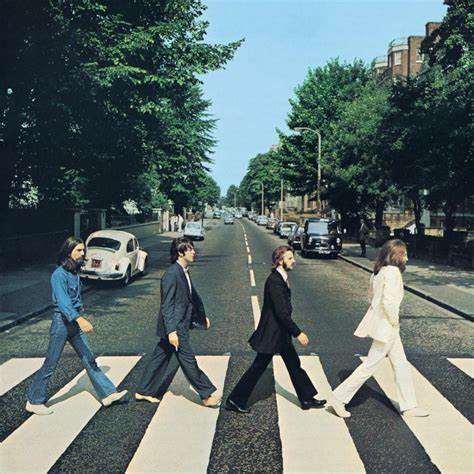
“Abbey Road” The Beatles

I think the only way to start this review is to make my readers mad. I absolutely detest the song “Come Together”. Don’t get me wrong… it’s a cool song. The instrumentation is absolutely unique and psychedelic, but the lyrics feel forced, or clumsy, or both (and stolen from Chuck Berry). So coming into this album I was fully prepared to hate it.

But dear reader, I’m ready to eat crow when it’s necessary. And trust me, as you read this I’m getting knife and fork ready. Because boy… this album is really good. If Revolver came across as a band trying to dabble in psychedelics, and subsequently how to translate that experience into music, this album does so flawlessly. Turns out the key isn’t to force it, but to be it. Every single song (yes, even the opening track) does a brilliant job of creating a floating, dreamy soundscape without trying to be druggy. Where Revolver felt like an album playing tug-of-war between the pop rock of its time and a new psychedelic vision, Abbey Road leans wholeheartedly into psychedelics while exploring more blues, rock, and even hard rock (There are even moments when McCartney screams on this album!) all while encapsulating the sonic flavors of the time of its conception. While its predecessors feel like they’re reaching, this album has reached. Ultimately, this album is a masterpiece of 60’s (and a hint at 70’s) rock. If I’m going to love Bowie’s Ziggy Stardust… it’s absolutely because of the influence of this album.  

My Rating: 5/5

Categories
Uncategorized

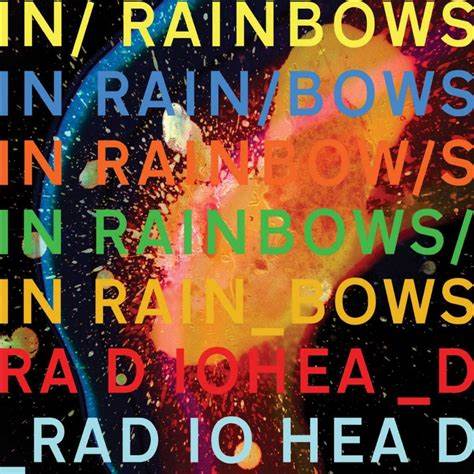
“In Rainbows” Radiohead

If you ask anyone who has listened to radio over the past two decades to name you a Radiohead song, a strong chunk of people (including myself up until the beginning of this year) would have named the group’s famous 1992 release “Creep”. And there’s a good reason. It’s a captivating song about social ostracism (self-inflicted or otherwise) and lust all wrapped up in a plaid bow. It spoke to the disgruntled youth of the 90’s-00’s in a way that only grunge could. But if you were to poll the band on their opinions of the song, the entire group’s feelings could probably be summarize by Thom Yorke’s response to a crowd’s request for them to play it: “Fuck off. We’re tired of it!”

I never understood that. How could a band feel so vehemently negative about a single that catapulted their careers (or at the very least gained them a global audience) into the ears of an entire generation? How could one, as an artist, hold so much disdain for something THEY created? 

The reality? The song is not indicative of who they became as artists. It was a moment in time that represented a studio’s pressure for a band to release something more appealing to the mainstream, but the reality (at least, what I’ve gleaned from this album and also this years’ The Smile’s release (a band fronted by Yorke and Jonny Greenwood of Radiohead)) is that the music they create has little connection with “Creep”. 

In Rainbows is an album filled with fuzzy guitar riffs, jazzy drumming, spacey atmosphere, and Yorke’s haunting vocal performance. There are songs like “Nude” and “Faust Arp” that float past like shapes in the mist, while others, like “Bodysnatchers” and “Jigsaw Falls to Pieces” groove and bop like flowers on a summer breeze. It’s a kaleidoscope of different sonic soundscapes, shifting slightly from piece to piece, each composition bringing their own flavor and moments to the album. When this album is at its best, it’s absolutely gripping (tell me “Videotapes”, a song that haunted its way into my brain from the very first chords, doesn’t leave you with a sense of longing, and nostalgic sadness).This is definitely an album, not a collection of singles, and to truly appreciate it one must forego the desire to shuffle it or even catch select songs. There are times when it feels like it sinks into doldrums, but when captured as a whole the ebb and flow of energy in songs service it as one composition, and not 11 individual pieces. This is the first of three Radiohead albums on this list. If their albums only become stronger, I’m elated to discover what’s next (and “better”) in the catalog of one of the greatest rock bands in history. 

My Rating: 3.5/5

Categories
Uncategorized

“The Rise and Fall of Ziggy Stardust and the Spiders From Mars” David Bowie

I think it took me a while to get to this review not because I didn’t know how I felt about this album, but rather I didn’t know what was left to say about the late, great David Bowie and, subsequently, one of the greatest rock albums of all time. It’s easy to see why this album is responsible for catapulting Bowie into the stratosphere. Despite being relatively short, it feels massive in scale, incorporating strings and brass over the ever consistent piano work of Rick Wakeman and catchy guitar work of Mick Ronson. The music is punk at times, folk at others, classical in some places, but wholly blues and rock ‘n roll all over. Bowie’s voice completely covers the spectrum, perfectly biting, crooning, and screaming where the music emotionally requires it. This album is what happens when an creator has a vision, and executes it flawlessly. 

Like quite a few of the artists on this list, I found myself getting into Bowie fairly late in life, first learning of his mythological status from shows like the Venture Brothers and the admiration of his work from my friends, and then later gaining an appreciation for his work through the exhibit of his art and life in David Bowie Is… It wasn’t until recent years, however, that I finally began actually digging into his music and coming to realize how brilliant a lot of it is. Of the albums of his that I’ve spun, this one might be my favorite. Every single song on it is an earworm, something you only need to hear once to be able to recognize later. Listening to it, it’s easy to see how this album inspired so many of the modern concept albums (The Black Parade, Coheed and Cambria) that would follow. But I think the most important part of this album is that it feels defining. This is an album that helped and continues to help so many young people find themselves. It’s urgently reassuring, an album where the artist had something to say and he’s still reaching out through his music to say it directly to you. That alone would be a reason for it to be considered a classic, but on a less contextual level it’s simply a collection of 11 timeless rock songs. 

My Rating: 5/5

Categories
Music Reviews

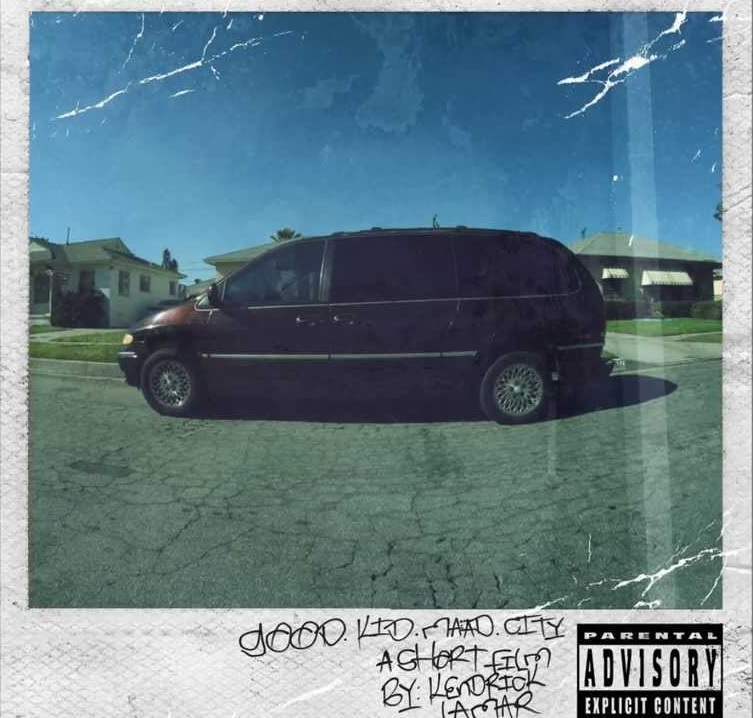
“good kid m.A.A.d. city” Kendrick Lamar

I think this album might be a harder listen for some of my older followers. After all, it’s not just a newer piece of art, but it’s hip-hop! How could an album that came out in 2012 possibly be ranked (consistently, I might add) among the outputs of some of the greatest artists of all time? Given that it celebrated its tenth birthday this year, what could it possibly have done to a) impact music in general, b) leave a fingerprint on hip-hop as a genre and c) justify a position at #12 on a music site where it has been rated over forty-eight thousand times. 

The answer is quite simple. This album is timeless. Everything about it is masterfully executed. Every single beat is distinct and yet familiar, rivaling some of the greatest G-Funk and hip-hop beats ever created. Kendrick Lamar is in top form on this album (although he rarely missteps in general), demonstrating why he is the single greatest MC in the game as he takes the listener on a tour of Compton, the city he grew up in. The whole album feels like a conversation as Kendrick weaves verse after verse into a string of memorable stories. Some are pulse pounding (Lamar recounting the horrors of simply existing in “Maad City”), some are haunting (Kendrick trying to justify his life choices in “The Art of Peer Pressure”), and some are heartbreaking (the death of his friend and an honest reflection of himself and who he needs to be vs. the impact of his art on his community “Sing for Me/ Dying of Thirst”) but all are completely captivating. Heralded as one of the greatest concept albums of all time, Good Kid m.a.a.d. City is a harrowing tale of a day in the life of Kendrick’s past, a smart kid wrestling with a city he loves, and a city he also recognizes will kill him if it has the chance. The album is ultimately a tale of redemption and actually listens like you’re watching a movie, growing darker and darker before the triumphant set of closing tracks (“Sing for Me/ Dying of Thirst, “Real”, and “Compton”). Despite portraying the real horrors and trials of life in Compton, it’s clear that this album is a love letter as well. It’s not so much a collection of songs about escape, it’s about accepting the realities of his life before, and a hope for the youth of the future.

I think my rating is clear, but even before I listened to this album for this review session, this was one of my top ten albums of all time. Every single song is memorable and could easily be a contender for best hip-hop song of all time. Kendricks bars range from honest to philosophical, but every single line contributes to the overall message and meaning of the album. Even the skits between songs are important as they contribute to the image of a city torn between spirit and the struggles that many members of the community face. If I had to recommend one album to someone who has never listen to hip-hop it would be this one. If I could only listen to one hip-hop album ever again, it would be this one. 

My Rating: 5/5    

Categories
Music Reviews

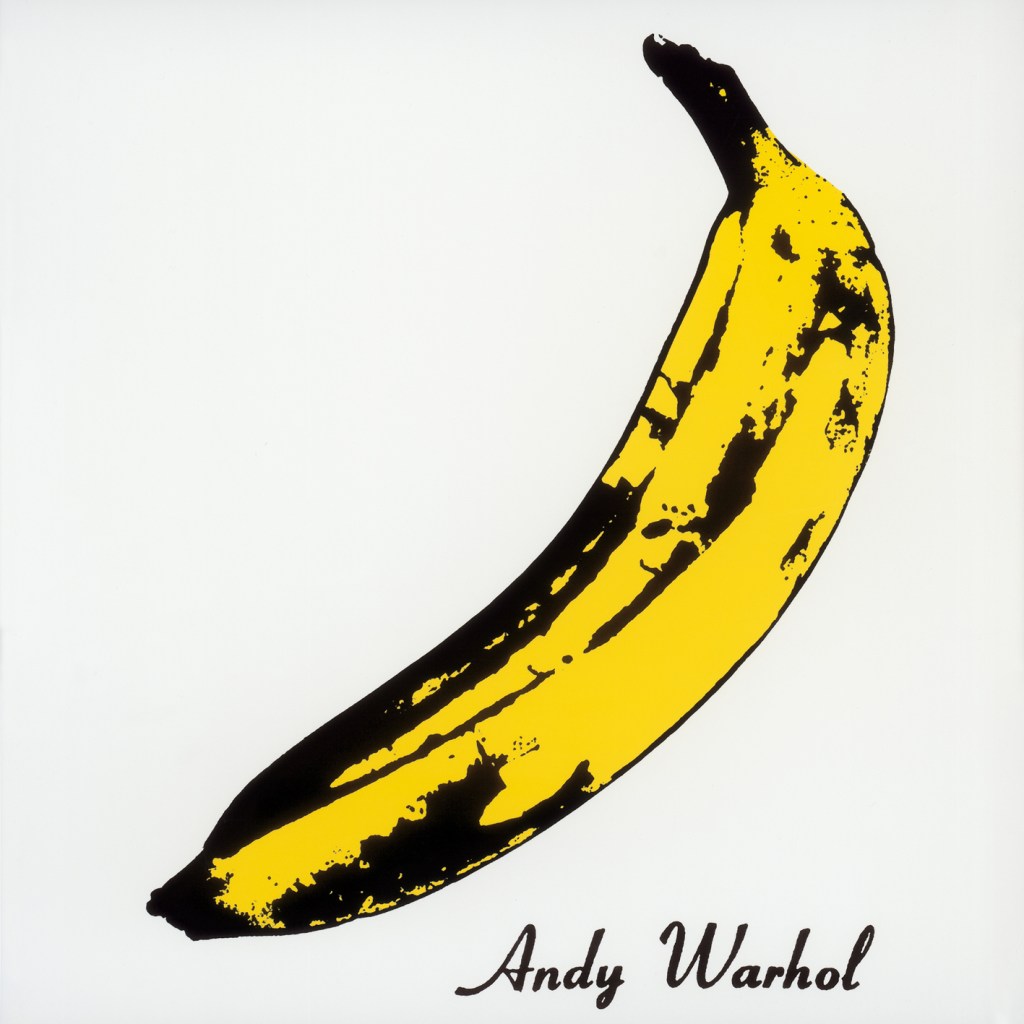
“The Velvet Underground and Nico” The Velvet Underground

I think it’s important to start this review off by saying “I get it.” I get what this album is trying to do. I get that it serves as a precursor to a lot of genres and sonic adventures that would follow, and that it serves as one of rock ‘n roll’s most influential albums. I get that Lou Reed crafted “poetry” that talked about controversial topics, and that was like… groovy.That being said, it’s one thing to “get” an album, and another thing to want to return to it, to want to dig into the album more for the sake of coming to a deeper appreciation or for recurring enjoyment. After listening to this album (I did struggle through it not only once but twice) I can confidently say that this is the first album on this list that I really didn’t enjoy, found to be grating, and do not wish to engage with repeated listens to get to that deeper level of appreciation (because I do genuinely believe that there is very little to be considered redemptive about this album). 

From an album that is as widely heralded as one of the single greatest pieces of art of all time, I was surprised at how juvenile it sounds. Lou Reed’s lyrics read like the attempts at poetry of a freshman in college. The instrumentation is bland most times and, at its worst, actually unbearable. Guitar solos/ rhythmic work are some of the most embarrassing attempts at musicianship I’ve ever heard pressed to wax. The only redemptive quality could be Nico’s singing, but moments like that are few and unable to carry the lack of talent/ poor quality of artistry possessed by the rest of the band. I suppose the attempts at dissonance are successful in the sense that they make the listener want to turn the song off (and this is coming from someone who has listened to and appreciated plenty of noise rock, thank you very much). This album is the epitome of the phrase “you just don’t get it”, a phrase used to dismiss anyone’s attempt to say that it, to put it bluntly, sucks. I wanted to like this album, I really did, but no amount of historical context or forced intellectualism can save this album from itself. I would not willingly return to this album. I would not recommend this album to anyone. I know this album exists and I’ve wasted enough time trying to articulate how irrationally angry this album makes me. This one’s a rotten banana. 

My rating: 1.5/5. 

Categories
Music Reviews

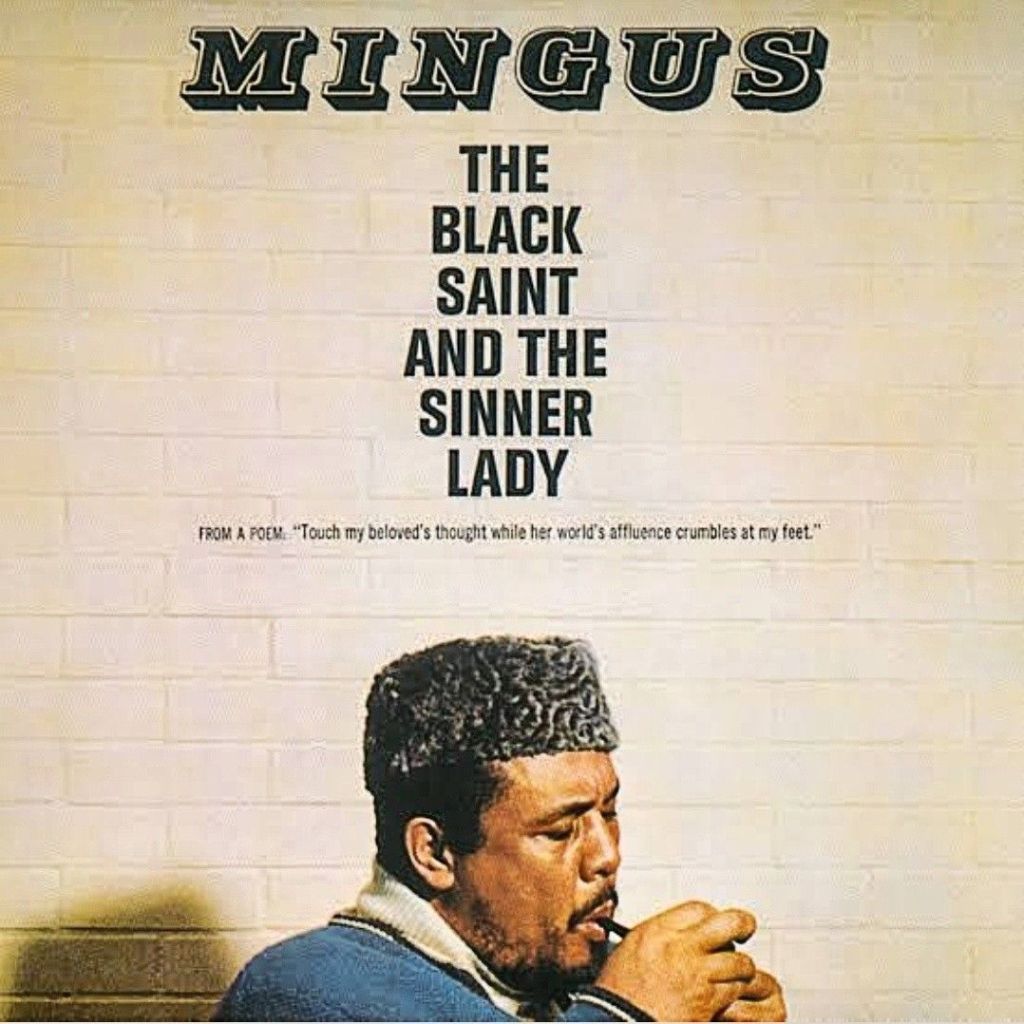
“The Black Saint and the Sinner Lady” Mingus

  1. “The Black Saint and the Sinner Lady” Charles Mingus

Sitting at #14 on our list is the last jazz album (although there are a handful that are heavily influenced by jazz), and I can confidently say that, in addition to this being the “best” jazz album of all time (according to RYM) this is also my favorite on this list. By a long shot. To say that I’m thoroughly impressed and engrossed by this album would be an understatement. This album is an experience, drawing on everything from Duke Ellington-esq big band moments to flamenco; weaving complex compositions together to tell a story of seduction, lust, anger, sadness, and even hope. It’s rich and textured, a lush soundscape that, much like a good dance, ebbs and flows, giving each instrument a chance to shine, sometimes even in the background. Mingus plays with dissonance and harmony, and this push and pull results in a composition that rides on the edge of chaos, never falling apart but always threatening to, like two dancers holding onto each other by their fingertips. Each listen rewards with little moments and flourishes that rise to the surface, and the result is a record that I don’t think I could tire of even if I tried. 

What sets it apart from the other jazz albums on this list is, in my opinion, not only the grandiose nature of the compositions (each song feels massive), but the storytelling nature of them. Each song is a story, and you don’t need to be some jazzhead to appreciate what’s going on or being said at any given moment. Sure, there’s probably plenty of stuff behind the scenes that someone with a greater knowledge of the genre could dissect for me, but the fact that I don’t need to research modes or new styles of composition is refreshing. That’s not to say that I needed to do those things with either the Miles Davis or John Coltrane albums earlier on this list, but when they came across as easy enough to understand my next question was “so what?” What makes this album great? With The Black Saint… it’s easy to see why this is considered great because it is over the top. The way it plays with dynamics and tempo is engrossing. It feels like you’re watching the ballet it was written for. It’s cinematic and emotive. And all of this is to say that, if I had to put Mingus’ greatest offering up with that of his contemporaries and choose, I would choose Mingus. This album makes me want to dig into more of his catalog to see what I’ve been missing (I already have Me, Myself, and I and Ah Um but… maybe I’ll go listen to those again now). In many ways, I guess that’s what a great album should do. It should make you wonder what you’ve been missing with their other releases. If the rest of his stuff is as good as this, I suppose the answer is: “A whole helluva lot”. 

My Rating: 4.5/5